AlterNative
Altitude
4000
Co-ordinates
Duration
91 days
Best Season
Spring (March–May) and Autumn (September–November)
Activity
5-6 hrs walking
Trip Grade
East/Moderate
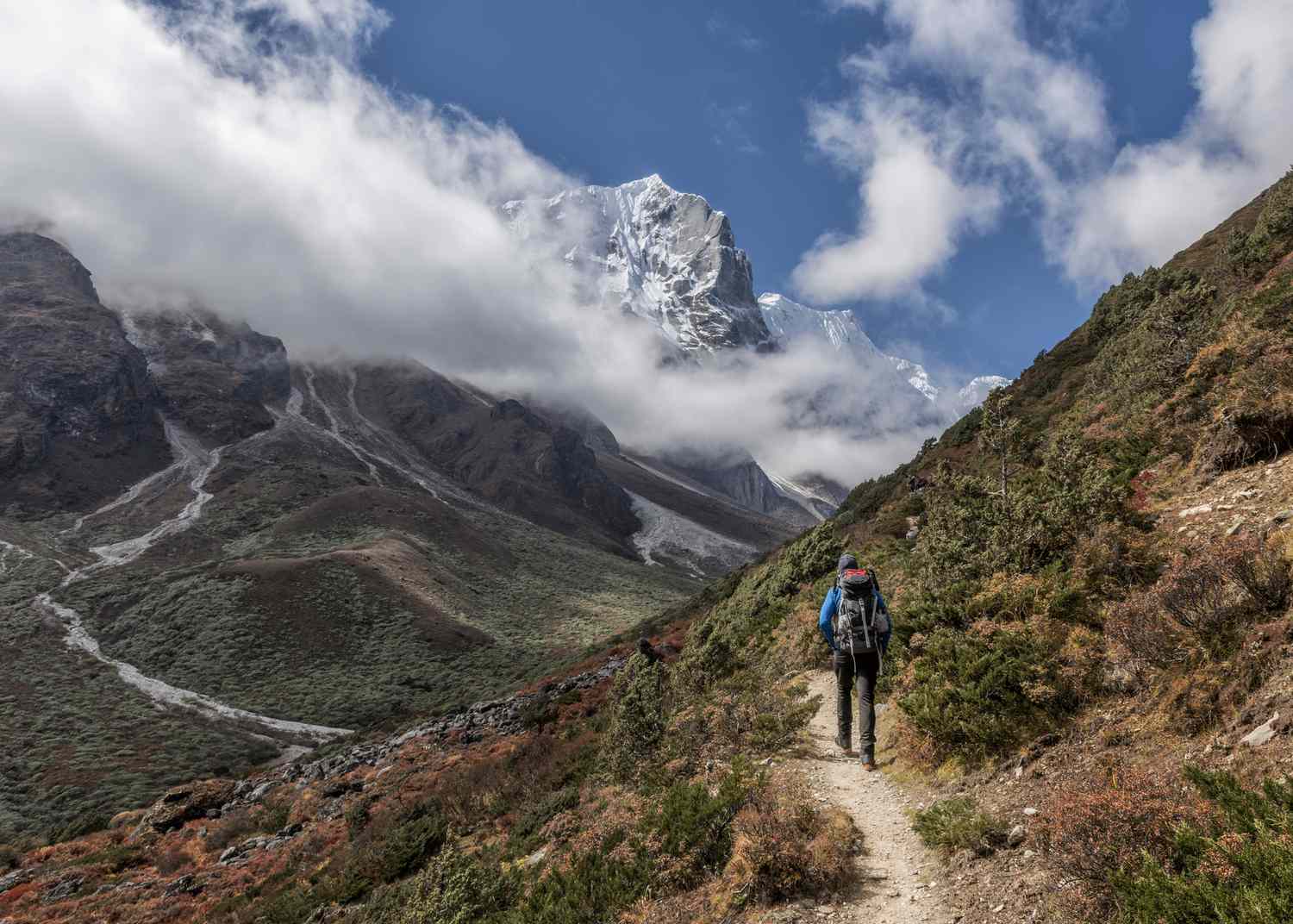
The Great Himalayan Trail (Lower Part)
Trip Overview
The Great Himalayan Trail (GHT) Low Route, also known as the cultural route, is a unique long-distance trekking journey through the beautiful mid-hills of Nepal. This trail offers a perfect combination of nature, culture, and adventure, making it ideal for trekkers who want to experience authentic rural life along with stunning Himalayan views.
The route passes through elevations ranging from around 1,500m to 2,500m, crossing diverse landscapes such as lush forests, terraced farmland, rivers, and traditional villages. Along the way, trekkers get the opportunity to explore the lifestyle, culture, and traditions of different ethnic communities.
The full GHT Low Route covers approximately 1,500 km and usually takes around 90 to 100 days to complete. However, the trail can also be customized into shorter sections depending on time and interest.
Detailed Itinerary
Upon arriving in Kathmandu, our team will warmly receive you at the airport and escort you to the hotel. After settling in, there is a short briefing where your guide explains the trek, the route, and essential preparations. The day is a gentle introduction to Nepal, allowing you to rest and acclimatize after your journey.
Today is reserved for relaxation and final trek preparations. You can explore the nearby areas, enjoy the vibrant streets of Kathmandu, do last-minute shopping for supplies, or check trekking gear with your guide. It’s a chance to ease into the journey ahead and absorb the energy of the city.
A scenic flight to Bhadrapur marks the start of your adventure. From there, we drive through lush tea gardens, winding rivers, and rolling hills to reach Tharpu. The landscape is picturesque, offering glimpses of rural life in eastern Nepal, and sets the stage for the trek ahead.
The trek begins gradually, winding through terraced farmland, small villages, and forested trails. Along the way, you pass traditional homes, and local farmers often wave as you pass. The peaceful surroundings and gentle ascent make it a perfect introduction to the region.
A challenging day as the trail ascends into higher elevations. The climb is steady, but the effort is rewarded with breathtaking views of Kanchenjunga and the surrounding peaks. The air is crisp, and the alpine landscape gradually replaces farmland and forests, immersing you in the grandeur of the high Himalayas.
Today, we descend along the same ridge. The path winds through peaceful forests and offers plenty of opportunities to enjoy the natural beauty of the area. The descent is relaxing after yesterday’s climb, and the village life along the trail gives insight into local culture.
The route continues through remote villages. You witness traditional lifestyles, from terraced farming to wood-fired cooking, and interact with friendly locals. The trail passes forested paths and small streams, providing a sense of connection with nature and community.
A gradual ascent through forests and hillside settlements brings you to Orakpa. Along the way, panoramic views of surrounding hills and distant peaks reward your efforts. The combination of forest trails and open paths creates a dynamic trekking experience.
A gradual ascent through forests and hillside settlements brings you to Orakpa. Along the way, panoramic views of surrounding hills and distant peaks reward your efforts. The combination of forest trails and open paths creates a dynamic trekking experience.
A long and steady climb takes you into the alpine zone. The air becomes thinner and the terrain more rugged, with high ridges and occasional snow patches. This challenging day is filled with awe-inspiring mountain views and a sense of accomplishment with every step.
An early morning hike brings you to the sacred Pathibhara Temple. The temple offers panoramic views of surrounding snow-capped peaks and the Kanchenjunga range. After paying homage and enjoying the scenery, you descend to Taplejung, following trails through forests and past alpine villages.
We leave Taplejung and drive along scenic river valleys, gradually descending toward Dobhan. The drive offers changing landscapes, moving from hills and forests to warmer, subtropical valleys, marking the transition toward the Makalu region and the next phase of the trek.
The trail begins with a steady climb through lush mixed forests. Along the way, small settlements appear, offering glimpses of local life and culture. Valley view's open up periodically, revealing rivers winding through green hills. The day’s trek is moderate, allowing you to enjoy the peaceful forest trails and fresh mountain air.
A steady ascent brings you to the high pass area of Deurali Bhanjyang. As the altitude increases, the temperature drops and the terrain becomes more alpine. Panoramic views of surrounding peaks reward your efforts, and the quiet surroundings create a sense of remoteness and immersion in nature.
Today, the trail descends through forests and scattered villages. The climate grows warmer as you move into lower regions. Along the way, you observe terraced fields, farmhouses, and traditional lifestyles. The descent is refreshing after yesterday’s climb, with plenty of opportunities for photography and nature walks.
A significant drop through terraced farmland and river valleys characterizes this day. The villages are small and welcoming, and you can see farmers tending their fields. The winding paths along rivers create a relaxing trekking pace, giving time to soak in the countryside atmosphere.
The trail passes through bustling local settlements with vibrant markets and cultural diversity. Walking along the hillside paths, you encounter a variety of ethnic groups, each with their own traditions and way of life. The day blends moderate trekking with rich cultural experiences.
Gentle ups and downs through rolling hills and agricultural lands mark this day. Small villages along the way give insight into rural lifestyles, and the scenery of cultivated fields and distant ridges provides a peaceful trekking experience.
The trail gradually ascends through forested paths and open clearings. The higher altitude brings cooler air and distant mountain views. Villages along the trail are scattered, giving a sense of remoteness and tranquility.
Today’s trek climbs higher into the mountains, with increasing views of snow-capped peaks. The climate is cooler, and the alpine environment gradually replaces farmland. The remote trail winds through high pastures and occasional forest patches, offering breathtaking vistas at every turn.
Walking through rhododendron forests and traditional villages, you feel immersed in nature and local culture. The trail alternates between forested sections and open ridges, providing a mix of shade and panoramic views of the surrounding hills.
The trail becomes more remote today, with fewer settlements along the path. You walk along hillside ridges and alpine meadows, surrounded by the quiet beauty of the mountains. The atmosphere is peaceful and untouched, perfect for reflecting on the journey so far.
A combination of forest trails and hillside paths takes you to Paiya. The scenery alternates between green forests, open pastures, and distant mountain peaks. The day’s trekking is moderate, allowing time to enjoy the surroundings and interact with locals in small villages.
You arrive at Lukla, a busy hub for trekkers heading to Everest. The town is lively, with teahouses, small shops, and trekking groups preparing for their journeys. The contrast between the remoteness of previous days and the bustle of Lukla is striking and energizing.
The trail descends through forests and crosses suspension bridges over rivers. Small villages dot the route, and terraced fields provide a glimpse into local life. The day offers a mix of gentle walking and beautiful scenery.
A gradual climb along forested paths brings you to Ringmu. Mountain views open up along ridges, and the trail passes through remote settlements, allowing trekkers to experience authentic village life and hospitality.
Walking through dense forests and quiet trails, the day is serene and peaceful. The path occasionally opens to panoramic views of distant peaks and deep valleys. Sete is a small village, offering a calm resting point.
The trail continues ascending toward a ridge area. The views become wider and more dramatic, with snow-capped peaks visible on the horizon. The remoteness and natural beauty make it a rewarding trekking day.
Follow the traditional trekking route to Everest before the Lukla airport existed. The trail passes through forests, terraced fields, and small villages, offering an authentic glimpse of rural Nepal.
A gradual climb through forests and pastures. The trail opens occasional views of surrounding peaks, with remote villages along the way.
A descent into rural settlements and farmland. The area is peaceful, with farmers tending fields and children walking along the trails.
Climb to Bigu Gompa, a beautiful monastery with a serene and spiritual atmosphere. The surrounding views of hills and distant peaks enhance the sense of tranquility.
Descend through scenic hills and traditional villages. The trail passes through forested areas and terraced farmland, giving a perfect balance of nature and culture.
After breakfast, the trail descends steadily through terraced farmland, scattered villages, and forested hills. You will pass several small Tamang settlements where daily rural life can be observed closely. The route gradually joins a busier trail near the highway, leading to Barabise, a lively town where trekkers can rest and resupply.
Today’s walk follows the river valley with relatively gentle terrain. The trail passes through cultivated fields, suspension bridges, and local villages. The warmer climate and lower altitude make this section comfortable, with opportunities to interact with locals and observe agricultural practices.
This is a challenging uphill day. The trail climbs steeply through dense forests of pine and rhododendron. As you gain altitude, the air becomes cooler and the surroundings quieter. Small settlements appear along the way, and you may enjoy distant mountain views before reaching Khobre.
The route descends along ridgelines and forest paths. You will walk through peaceful landscapes with occasional clearings offering views of rolling hills. The trail is less crowded, providing a calm trekking experience.
A long descent brings you into warmer lowlands. The trail passes through traditional villages and terraced farmland, giving a deeper cultural experience of rural Nepal.
The trail follows rivers and gentle paths through cultivated land. This section is relatively easy and scenic, with opportunities to enjoy the peaceful countryside.
You continue along the river valley, gradually descending to Betrawati. The warmer climate and green surroundings make this a relaxing day.
The trail begins to climb again through forested hills and villages. The landscape changes gradually as you move toward higher terrain.
The journey begins with a gradual descent from Bungtang through dense forests filled with pine and rhododendron. The trail winds through quiet Tamang villages where traditional lifestyles remain unchanged. Along the way, you will pass terraced farmlands and small streams, with occasional views of surrounding hills. The peaceful environment and less-traveled route make this a relaxing walking day before reaching Chautara, a small settlement perched on a ridge.
Today involves a long descent into the lower river valleys. The trail drops significantly in altitude, and the climate becomes warmer and more humid. Walking through lush green hills, you pass through scattered villages, cultivated terraces, and suspension bridges. As you approach Arughat, the landscape becomes busier, with more people and activity. Arughat is a major trading town and a gateway to the Manaslu region.
Leaving Arughat, the route follows a combination of dirt roads and traditional trails, gradually climbing toward Gorkha. The trail passes through villages, farmland, and forested sections. As you gain elevation, the views open up, offering glimpses of the surrounding hills and distant Himalayan peaks. Upon reaching the historic Gorkha Durbar, you are rewarded with panoramic views and a deep sense of Nepal’s history and heritage.
A short but pleasant descent leads down to Gorkha Bazaar. Today is relatively easy, allowing time to explore the town. You can visit local markets, interact with locals, and experience the cultural richness of this historic area, known as the birthplace of modern Nepal.
The trail continues along scenic ridgelines, offering beautiful views of rolling hills and distant mountains, including the Manaslu and Ganesh Himal ranges. Walking through traditional villages and terraced farmland, you experience authentic rural life. Appipal is a peaceful village known for its community lodges and warm hospitality.
Today’s trek descends steadily through lush forests and small settlements. You cross streams and walk through cultivated land as the environment becomes more subtropical. The lower altitude brings warmer temperatures, making this a different experience compared to the higher Himalayan sections. Paudi is a quiet village surrounded by greenery.
Following the Marsyangdi River valley, the trail alternates between walking paths and rural roads. You pass through villages, fields, and riverside landscapes before arriving at Besisahar, a bustling town and the main gateway to the Annapurna region. This is a good place to rest, resupply, and prepare for the next section.
The trail climbs steadily uphill through forests, streams, and traditional Gurung villages. As you ascend, the views become more impressive, with glimpses of Lamjung Himal and Annapurna peaks. Ghalegaun is a well-known model village, rich in Gurung culture, offering traditional hospitality and stunning mountain scenery.
Today’s route is a scenic traverse through dense rhododendron forests and peaceful trails. The walk is less crowded, allowing you to fully enjoy nature and local culture. Pasgaun is a traditional village where you can observe authentic Gurung lifestyle and architecture.
The trail gradually descends through forested areas and open farmland. The path is quiet and remote, passing only a few settlements. Yangjakot offers a tranquil stop with beautiful surroundings and a slower pace of life.
A steady climb takes you through terraced fields and forest trails to reach Sikles, one of the largest and most traditional Gurung villages in Nepal. The village offers spectacular views of Annapurna II and Lamjung Himal, along with a rich cultural experience.
The trail moves through forests and open ridges, offering wide views of the Annapurna range. This is a relatively moderate day, with a mix of ascent and descent. Ghalekharka is a small settlement surrounded by natural beauty.
Descending through forests and agricultural land, you reach Lwang, a village known for tea farming and community-based tourism. The area provides a unique cultural experience with homestay opportunities.
The trail ascends through forests and scattered settlements. As you approach Ghandruk, the views of Annapurna South and Machhapuchhre become more prominent. Ghandruk is one of the most famous Gurung villages, rich in culture and scenery.
A challenging uphill trek through dense rhododendron forests and stone staircases. The trail is scenic and well-established. Ghorepani offers breathtaking sunset views over the Annapurna and Dhaulagiri ranges.
An early morning hike to Poon Hill rewards you with one of the best sunrise views in Nepal, showcasing Annapurna and Dhaulagiri ranges. After enjoying the view, descend through forests and villages to Tikot.
The trail continues downhill through terraced farmland and settlements. You eventually reach Beni, a major town where the Myagdi and Kali Gandaki rivers meet
Following a rough road along the Myagdi River, the trail passes through villages and cultivated hillsides. This is a transition day toward more remote terrain.
The trail leaves the road and climbs steadily into more isolated areas. You pass through forests and small settlements, gradually gaining elevation.
A demanding uphill trek through dense forests and rugged terrain. The route becomes quieter with fewer villages, offering a sense of remoteness.
The trail continues climbing into alpine terrain. Vegetation becomes sparse, and the views open up to surrounding mountains and high ridges.
Descend through remote hills and forested areas. This section offers a glimpse into isolated mountain life, with very limited settlements.
A challenging ascent into a wild and rarely visited region. The trail follows rugged terrain, and camping is required due to the absence of lodges. The landscape becomes dramatic and high alpine.
Cross high-altitude terrain with rocky paths and open landscapes. This is a physically demanding day in a fully remote wilderness environment.
A long descent leads into the Dolpo region. The trail drops through rugged valleys before reaching Dunai, the administrative center of Dolpo, marking the end of this challenging section.
After leaving Dunai, the trail follows the Phoksundo Khola upstream through a beautiful, forested gorge. You enter the protected area of Shey Phoksundo National Park, walking along narrow trails with views of waterfalls and cliffs. The route passes small settlements and gradually ascends to Chhepka, a peaceful village surrounded by pine forest.
Today’s trail continues along the river, crossing suspension bridges and passing through dense forest. The landscape becomes more rugged and remote. You reach Chunuwar, also known for its traditional Amchi (Tibetan medicine) hospital, reflecting the unique culture of Dolpo.
A spectacular day as the trail climbs higher and opens up to reveal the deep blue waters of Phoksundo Lake. You pass Ringmo village, a traditional Tibetan-influenced settlement, before reaching the lake. The scenery here is dramatic, with cliffs, waterfalls, and crystal-clear water.
In the morning, explore the lake area, visit Ringmo village, and enjoy the peaceful environment. Afterward, descend back along the same trail to Chunuwar.
The trail descends through forest and rocky paths, following the river downstream. The air becomes warmer as you lose altitude. You pass scattered settlements before reaching Kageni.
A moderate day with gradual ascents and descents through remote villages and hills. The trail remains quiet and less traveled, offering a true wilderness experience.
A challenging day as you climb steadily to Balangra La Pass. Enjoy sweeping mountain and valley views. After crossing the pass, descend to Kaigaon, a quiet village surrounded by alpine pastures and grazing yaks.
Trek through high ridges and open hills with minimal settlements. The trail is remote and scenic, with opportunities to observe alpine wildlife and traditional shepherding.
Descend into Jumla valley, a historic town known for its unique culture and terraced fields. Interact with locals and explore the small town before settling for the night.
Climb gradually out of Jumla valley through forests and small villages. The trail offers a peaceful trekking experience with occasional panoramic views of surrounding hills.
A scenic walk along ridges and pine forests. Pass through traditional settlements, enjoying views of hills and valleys along the way.
Reach Nepal’s largest lake, Rara, surrounded by forested hills. Spend time exploring the lake, enjoy its turquoise waters, and take in the stunning alpine scenery.
Leaving the turquoise waters of Rara Lake behind, you begin descending into lower hills. The trail winds through dense forests of pine and rhododendron, with streams gently crossing your path. The air grows warmer as you move away from the high alpine zone, and occasional clearings reveal panoramic views of rolling hills. Ratapani is a small village, perfect for a quiet evening amidst nature.
Today, the trail follows local paths through rural settlements and terraced farmland. The area is rarely visited by tourists, allowing you to observe traditional western Nepalese village life. Farmers tend their fields, children play along the trails, and villagers greet trekkers warmly. Kolti offers a peaceful place to rest for the night.
The path leads through remote villages, forests, and gentle ridges. Martadi is a small town with limited modern infrastructure, offering a glimpse into daily life in western Nepal. You can watch local markets, temples, and terraced fields, giving a sense of the culture and traditions that remain largely untouched
A gradual ascent takes you along forested hills and open ridges. Today’s trail is moderate, with occasional clearings offering scenic views of valleys and distant mountains. The serene surroundings make it a peaceful trekking day, as you pass small settlements and enjoy the natural beauty of the region.
Continuing through isolated terrain, you walk along ridges with minimal signs of modern life. The trail is quiet and largely untouched, emphasizing the remoteness of western Nepal. Small streams, forest patches, and occasional meadows provide variety to the landscape, making this a rewarding day for trekkers seeking solitude.
Descending from the hills, you reach Chainpur, a small town where local trade and daily life can be observed. The market area bustles with activity, and the surrounding villages are connected by narrow paths. Walking through terraced fields and riverside trails, you experience the vibrant cultural life of this region.
An easier trekking day allows you to relax and enjoy the rolling farmland and small villages along the path. The terrain is gentle, offering time to observe local life, interact with villagers, and enjoy the natural scenery without the strain of long ascents.
The trail moves through gentle hills and cultivated lands, offering panoramic views of the surrounding valleys. This day combines moderate walking with cultural encounters, as you pass through villages and observe daily farming routines, traditional homes, and local temples.
A short and easy day, the path meanders through farmland and small forested patches. The gentle terrain provides a welcome rest before the final stretch of trekking, and the scenery remains peaceful and picturesque.
The trail gradually climbs along ridges, offering scenic views of surrounding hills, rivers, and villages below. The remote landscape gives a sense of accomplishment and anticipation as you approach the end of the trek, while the quiet paths highlight the untouched nature of this region.
The final day of trekking leads you to Darchula, a bustling town near the India border. The journey concludes amidst terraced fields, rivers, and traditional houses. Walking through the town, you witness the local markets and temples, reflecting the rich culture of the Far West. Reaching Darchula marks the successful completion of an epic section of the Great Himalayan Trail.
Leave Darchula and drive through the hills and plains of far-western Nepal. The mountains gradually give way to rolling fields and rivers, offering glimpses of local villages and everyday life. Arrive in Dhangadhi for an overnight stay.
Take a short flight back to Kathmandu. From the air, enjoy views of the Terai plains and distant hills. Upon arrival, relax or explore the city at your leisure.
Transfer to the airport for your onward journey, carrying memories of mountains, lakes, remote villages, and the adventure of completing the Great Himalayan Trail.
What's Included
- Airport pick-up and drop-off in Kathmandu.
- Accommodation in Kathmandu before and after the trek (hotel, breakfast included).
- All domestic flights, drives, and local transportation as per itinerary.
- Accommodation during the trek (teahouses/lodges; twin-sharing basis).
- Three meals a day during trekking (Breakfast, Lunch, Dinner).
- Experienced, licensed trekking guides fluent in English.
- Porter services (one porter per 2 trekkers; includes food, accommodation, insurance).
- Trekking permits and national park fees (Kanchenjunga, Makalu-Barun, Langtang, Manaslu, etc.).
- First aid kit with basic medication carried by guides.
- Sleeping bag, duffel bag, and trekking poles (if required).
- Cultural experiences: visits to local villages, monasteries, and festivals along the trail.
- Government taxes and service charges.
What's not Included
- International airfare to/from Nepal.
- Nepal visa fee.
- Travel and rescue insurance (mandatory for high-altitude trekking).
- Personal expenses: laundry, internet, phone calls, beverages, snacks.
- Additional nights in Kathmandu due to early arrival, delays, or personal reasons.
- Tips for guides, porters, or drivers.
- Personal trekking equipment (boots, jackets, backpacks, etc.).
- Costs arising from unforeseen events: landslides, strikes, flight delays, bad weather.
Book This Trip
Related Trips
Let your travels tell a story—crafted by locals, inspired by mountains, and lived by you.
Our Community
Customer satisfaction is our major goal. See what our clients are saying about our services.